
Harrington, Inc.
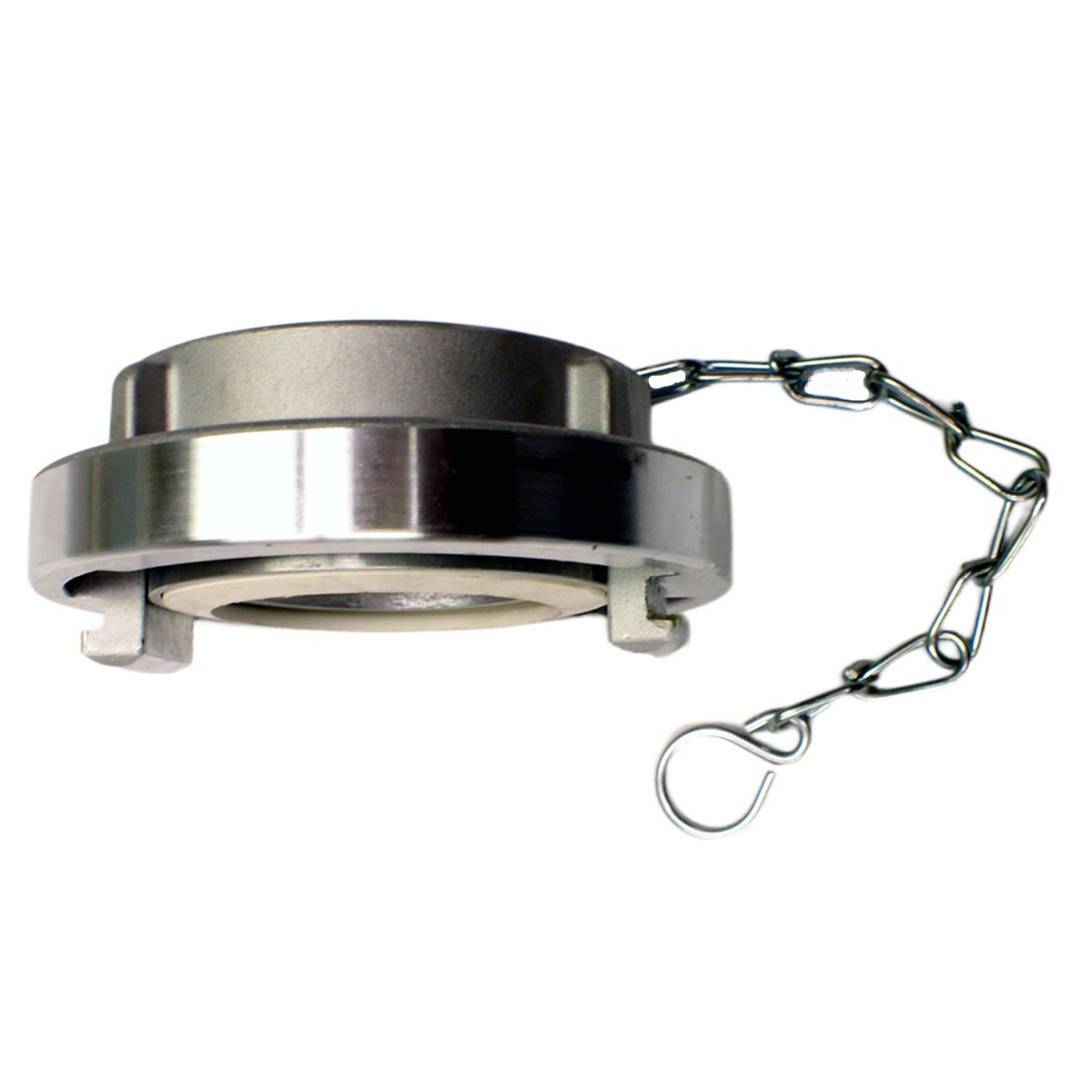
Storz Blind Cap - HBC
Harrington’s Storz Blind Caps are forged and hard-coated for maximum strength and corrosion resistance. Designed to seal Storz hose connections securely, these caps are essential for protecting equipment and maintaining system integrity in firefighting and industrial applications.
Looking for a quote? Simply add your items to the cart and choose Request for Quote during checkout.
Enter a value between 1 and 100000000 in increments of 1.
Earn Darley Dollars with this purchase
Features
- Forged Construction: Made from forged aluminum for superior strength and durability
- Hard-Coated Finish: Provides excellent corrosion resistance in harsh environments
- Chain Attachment: Prevents loss and allows quick access during operations
- Secure Fit: Designed to lock into standard Storz couplings with precision
- Multiple Sizes Available: Fits a wide range of hose diameters for versatile use
- NFPA Compliant: Meets industry standards for safety and performance
What Is It?
The Harrington Storz Blind Cap is a protective cover designed to seal the end of a Storz hose connection when not in use. It prevents debris, moisture, and contaminants from entering the system and helps maintain pressure integrity.
How Is It Used?
The blind cap is attached to the end of a Storz coupling using its integrated lugs and chain. It locks into place to create a secure seal, protecting the hose or valve from environmental exposure and accidental discharge.
Who Uses It?
Used by fire departments, emergency response teams, and industrial facilities to protect unused hose lines, hydrant outlets, and water system connections.
Maintenance Information
Clean after each use to remove debris and moisture. Inspect the cap and chain for wear or damage. Store in a dry location to preserve finish and functionality.
What Is It Used With?
Compatible with Storz hose couplings and hydrant outlets. Commonly used with fire hoses, water supply systems, and industrial fluid control setups.
Material
Constructed from forged aluminum, finished with a hard-coat anodized surface for enhanced corrosion resistance.
Benefits of using the Harrington Storz Blind Cap in firefighting and industrial water systems:
1. Protection Against Contaminants
- Blind caps seal off unused Storz hose connections, preventing dirt, debris, and moisture from entering the system. This helps maintain water quality and protects internal components from damage.
2. Leak Prevention
- By securely capping off open hose ends or hydrant outlets, blind caps help prevent accidental leaks or discharge, especially during transport or storage.
3. Pressure Retention
- In pressurized systems, blind caps help maintain system integrity by sealing off unused outlets, which is critical in multi-line setups or during staged operations.
4. Equipment Longevity
- Protecting hose threads and couplings from environmental exposure reduces wear and corrosion, extending the life of expensive firefighting equipment.
5. Quick Deployment
- The integrated chain keeps the cap attached to the hose or hydrant, ensuring it’s readily available and easy to deploy when needed.
6. Compliance and Safety
- Blind caps help meet NFPA standards for hose and hydrant protection, contributing to safer and more reliable operations.
7. Versatility
- Available in multiple sizes (2.5", 3", 4", 5", and 6"), these caps fit a wide range of Storz couplings, making them suitable for various hose diameters and system configurations.
Installation Instructions for Harrington Storz Blind Cap
Tools and Materials Needed
- Clean cloth or brush
- Lubricant (optional, for couplings)
- Personal protective equipment (PPE)
Step-by-Step Guide
1. Inspect the Coupling and Cap
- Ensure the Storz coupling is clean and free of debris
- Check the blind cap for any damage, especially around the lugs and sealing surface
- Confirm the chain is securely attached to the cap and the hose or hydrant
2. Align the Cap with the Coupling
- Position the blind cap so the lugs on the cap align with the slots on the Storz coupling
- Insert the cap into the coupling opening
3. Twist to Lock
- Rotate the cap clockwise until it locks into place
- You should feel resistance as the lugs engage and seal the connection
4. Check the Seal
- Ensure the cap is seated evenly and securely
- If needed, apply a light lubricant to the coupling to ease installation and improve seal integrity
5. Secure the Chain
- Attach the chain to the hose or hydrant body to prevent loss and allow quick access
- Confirm the chain is not obstructing the cap or coupling
6. Final Inspection
- Verify the cap is fully engaged and cannot be removed without twisting
- Check for any gaps or leaks if the system is pressurized
- Finish: Hardcoat anodized
- Attachment: Chain included
- Application: Fire hose protection, hydrant sealing, industrial water system
- Model HBC-25: 2.5" Storz blind cap with chain
- Model HBC-30: 3" Storz blind cap with chain
- Model HBC-40: 4" Storz blind cap with chain
- Model HBC-50: 5" Storz blind cap with chain
- Model HBC-60: 6" Storz blind cap with chain and 3 lugs