
Pigeon Mountain Industries
SMC Edge Roller
SKU#: AZ586
Ships via Standard Ground
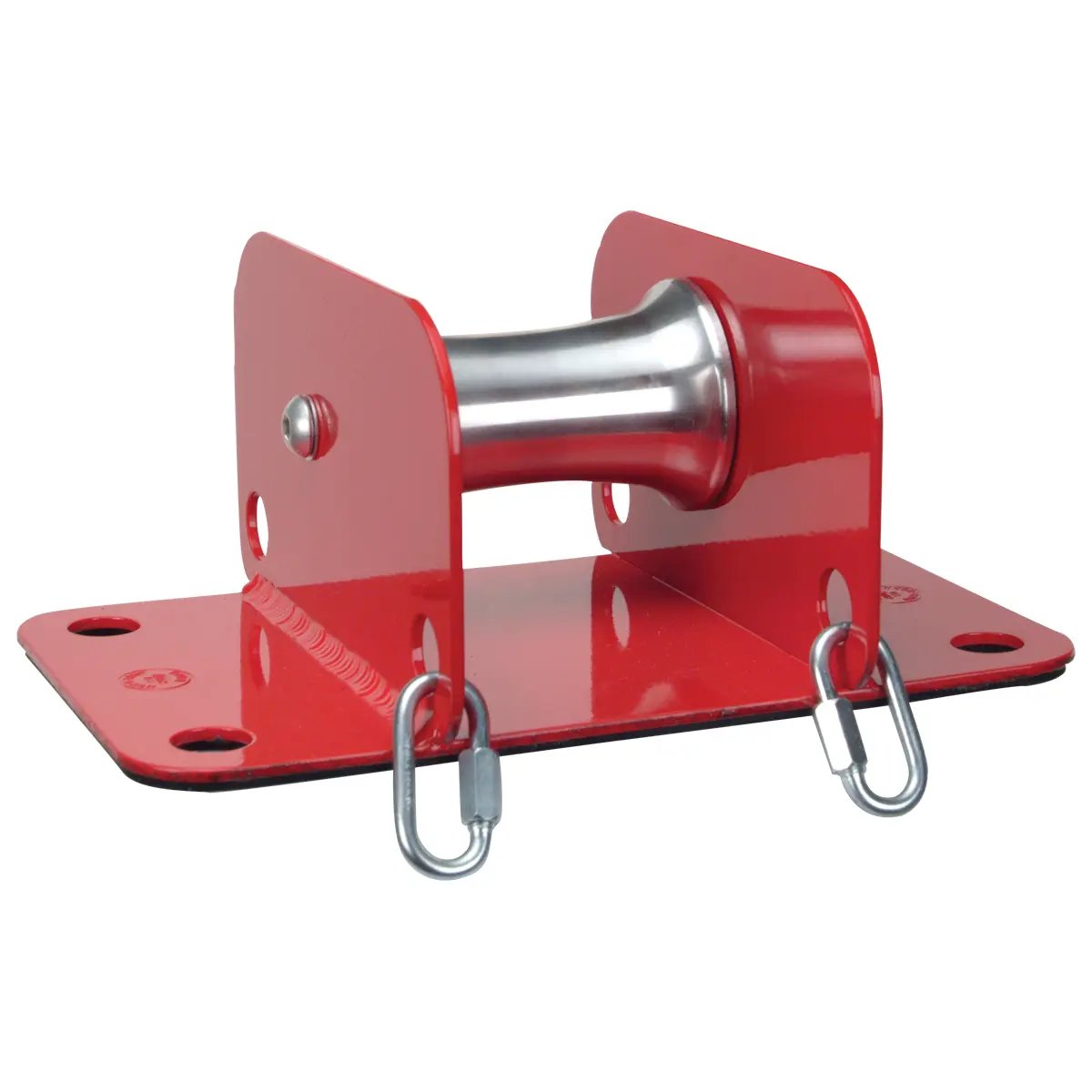
Reduce rope friction at edges with the SMC Edge Roller, a compact and versatile rope protection solution designed for technical rescue, rope access, and industrial operations. This single 4‑inch wide roller can be linked with additional rollers to protect ropes over sharp or right‑angle edges such as building ledges or rock faces.
Looking for a quote? Simply add your items to the cart and choose Request for Quote during checkout.
Enter a value between 1 and 100000000 in increments of 1.
Earn Darley Dollars with this purchase
Features
- Edge friction reduction: Helps protect rope and improve efficiency when working over sharp or abrasive edges
- Modular connection: Multiple edge rollers can be connected together using included quick links to span larger or right‑angle edges
- Compact profile: Easy to transport and deploy in confined or elevated work areas
- Durable construction: Built for demanding rescue and industrial environments
- USA made: Manufactured in the United States
What Is It?
The SMC Edge Roller is a rope management tool designed to reduce abrasion and friction when ropes run over edges during rescue or rope access operations. Its single‑roller design allows it to be used on its own or connected with additional rollers to create a longer, articulated edge protection system.
How Is It Used?
The edge roller is placed directly over an edge where rope contact occurs. When more coverage is needed, multiple rollers can be connected together using the included quick links to wrap around corners or right‑angle edges. The rope rides on the aluminum roller, helping reduce wear and improve rope movement.
Who Uses It?
- Technical rescue teams
- Fire department rescue units
- Rope access technicians
- Search and rescue teams
- Industrial safety and confined‑space crews
What Is It Used For?
- Rope protection over edges
- Reducing friction during lowers and raises
- Improving rope longevity and system efficiency
- Technical rescue and rope access operations
What Is It Used With?
- Life safety rope
- Carabiners and rigging hardware
- Additional SMC Edge Rollers for extended coverage
- Rescue and rope access systems
Why Use More Than One Edge Roller?
- To Protect Rope Over Wider or Irregular Edges: A single edge roller protects the rope at one contact point. When the edge is wide, uneven, or abrasive (concrete caps, parapets, rock ledges), multiple rollers create a continuous protection surface so the rope is never dragging directly on the edge.
- To Navigate Right‑Angle and Corner Edges: When two or more edge rollers are connected together, they can hinge over a 90‑degree corner, such as:
- Building roof edges
- Rock faces
- Window sills or ledges
- This keeps the rope rolling smoothly around the corner instead of cutting across it.
- To Reduce Friction During Long Raises or Lowers: Multiple rollers significantly reduce friction over extended edge contact. This makes:
- Raises smoother
- Lowers more controlled
- Systems more efficient
- Rescuers less fatigued
- This is especially important during patient packaging, high‑angle rescues, or industrial rope access.
- To Accommodate Rope Movement: During operations, ropes rarely stay perfectly still. Multiple rollers allow the rope path to shift slightly while still staying protected, instead of sliding off a single contact point.
- To Scale Protection as the Scenario Changes: Edge roller systems are modular. Teams can start with one roller and add more as:
- Rope angles change
- Loads increase
- Operations extend in duration
- This flexibility is critical in real‑world rescue and industrial environments.
Simple Rule of Thumb
- One roller: Short contact, straight edge
- Two rollers: Corners or right‑angle edges
- Three or more rollers: Wide, sharp, uneven, or shifting edges
Maintenance Information
Inspect the roller, axle, and connection points before and after each use for wear, deformation, or damage. Clean as needed to remove dirt or debris and store in a dry environment. Retire from service if excessive wear or damage is observed.
Material
- Steel
- Aluminum
- Neoprene (bottom surface)
- Number of rollers: 1
- Roller width: 4.00 in
- Sheave diameter: 2.50 in
- Axle diameter: 0.63 in steel
- Quick links included: Two 0.19 in
- Bearing type: Oilite
- Overall height: 4.25 in
- Overall width: 6.90 in
- Overall length: 9.90 in
- Weight: 3.13 lb
- Country of origin: USA
- Model: SM148500