
Sensit
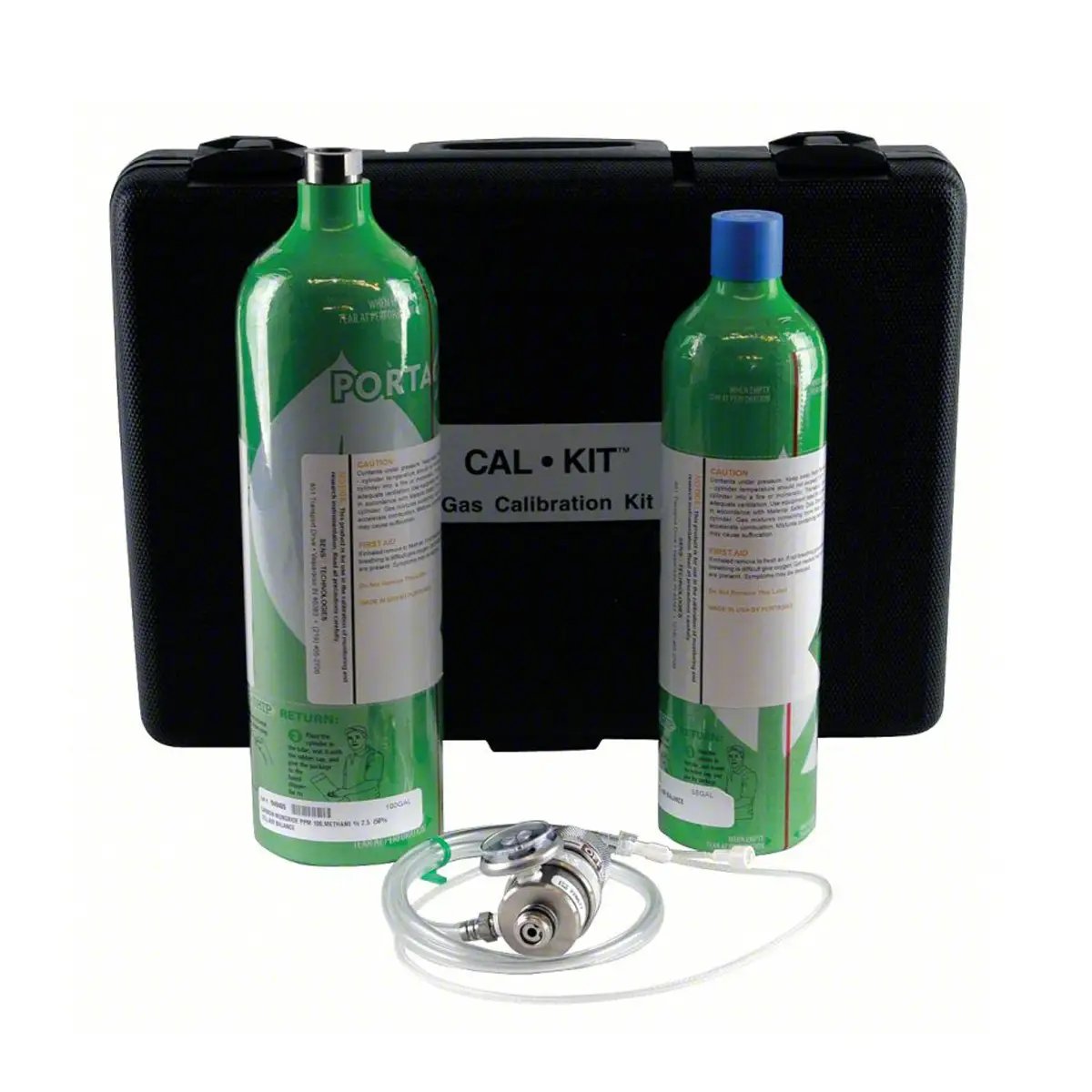
Sensit® Calibration Kit - CH4/CO/H2S - 0.5 lpm Max Flow Rate
SKU#: AS081
Ships via Standard Ground
Typically ships in 2 weeks
SENSIT 881‑00030 CH₄/CO/H₂S Calibration Kit—NIST‑traceable 58 L H₂S and 103 L CH₄+CO cylinders, 0.5 LPM regulator, hose, and case for accurate multi‑gas detector calibration and daily bump tests
Looking for a quote? Simply add your items to the cart and choose Request for Quote during checkout.
Enter a value between 1 and 100000000 in increments of 1.
WARNING: Cancer and Reproductive Harm - www.P65Warnings.ca.gov
Earn Darley Dollars with this purchase
Features
- Gas types: Methane (CH₄), Carbon Monoxide (CO), Hydrogen Sulfide (H₂S).
- Included components: Carrying case, fixed‑flow regulator, hose assembly, NIST‑traceable span gas cylinders (non‑refillable)
- Cylinder volumes: One 58 L H₂S cylinder and one 103 L combo cylinder (CH₄ + CO).
- Typical calibrations per cylinder: ~60–80 (58 L) and ~150–200 (103 L), depending on flow rate and procedure.
- Max flow rate: 0.5 LPM (kit regulator).
- Application: Portable multi‑gas detector calibration & bump testing.
- UNSPSC: 12142208 (Calibration sources).
- Shipping/handling: Hazardous Material – Non‑Flammable Gas; international restrictions may apply.
What is it?
A portable calibration gas kit for field and bench maintenance of compatible multi‑gas detectors. It packages certified, NIST‑traceable span gases with a compatible fixed‑flow regulator (0.5 LPM), hose, and carrying case, enabling accurate span calibrations and quick bump tests for CH₄/CO/H₂S channels.
- About NIST traceability: In gas calibration, “NIST‑traceable” means the gas composition is linked by an unbroken, documented chain to national standards with stated uncertainties (often via SRMs/NTRMs), ensuring comparable measurements across sites and time.
How is it used?
- Zero the instrument in clean air per your detector manual.
- Attach the 0.5 LPM fixed‑flow (or demand‑flow) regulator to the appropriate cylinder (CH₄/CO combo or H₂S). Connect the hose to the detector’s calibration cap.
- Apply span gas to each sensor channel at the stated concentration/flow until readings stabilize; adjust the instrument per its procedure.
- Perform a bump test as needed between calibrations to verify alarms/response. (ISEA and major OEMs recommend a bump test before each day’s use.
- Note on flow: 0.5 LPM is a common market standard for portable gas detector calibration; many pumped instruments also support demand‑flow regulators that supply only what the pump draws. Always follow your detector’s specific SOP.
Who uses it?
- Fire service & HAZMAT teams performing confined‑space entry and gas‑leak response.
- Public safety, utilities, and industrial response crews who maintain multi‑gas detectors to ensure accurate CO, H₂S, and combustible gas readings during emergency operations.
Maintenance information
- Calibration frequency: Follow your instrument manufacturer’s manual; conduct daily bump checks and calibrate after sensor exposure events or if a bump test fails.
- Gas management: Track expiration dates/lot numbers on cylinders and store them per supplier guidance; typical specialty gas cylinders include NIST traceability documentation and expiration.
- Regulators & tubing: Inspect O‑rings/fittings; use C‑10 (5/8‑18 UNF) compatible regulators for 58 L/103 L cylinders. Replace tubing if cracked or contaminated.
What is it used with?
- Designed for SENSIT® GOLD G2 multi‑gas detectors and TRAK‑IT® IIIa gas indicators (compatible calibration gases and kits are cited across reseller references). Always verify with your detector’s manual/configuration.
- General procedure aligns with multi‑gas detector calibration practices from leading OEMs (Honeywell/MSA/Emerson) that employ 58 L or 103 L cylinders and fixed/demand regulators.
What is tested and how is it tested?
- Detector channels tested:
- Combustible gas (CH₄/LEL) – apply certified methane span mix to verify LEL/ppm response
- CO (electrochemical) – apply certified ppm CO span gas to adjust zero/span accuracy.
- H₂S (electrochemical) – apply certified ppm H₂S span gas to validate sensitivity/alarms.
- Method:
- Zero calibration in clean air or zero gas.
- Span calibration with NIST‑traceable reference gases at known concentrations.
- Bump test to verify alarms. Procedures follow ISO/IEC‑aligned SOPs and OEM manuals.
- Traceability: Gas mixtures are prepared and certified against national standards; NIST defines traceability as an unbroken chain of comparisons with stated uncertainty, commonly realized via SRMs/NTRMs and EPA Protocol gas programs.
What's Included
- Carrying Case
- Flow Regulator
- Hose Assembly
- NIST Traceable Span Gases
- Non-Refillable Cylinders
- Gas Types: CH₄, CO, H₂S.
- Cylinder Volumes: 58 L H₂S; 103 L Methane+CO combo.
- Included: Carrying case, fixed‑flow regulator (0.5 LPM), hose assembly, NIST‑traceable non‑refillable cylinders.
- Max Flow Rate: 0.5 LPM.
- Approx. Calibrations: 60–80 per 58 L; 150–200 per 103 L
- Kit Size (case, approx.): 16‑1/4" L × 11‑7/8" W × 4" H
- UNSPSC: 12142208 (Calibration sources).
- Model 881‑00030
- Compliance/Shipping: Hazardous Material – Non‑Flammable Gas; restricted for some international destinations
- All sales are final. Items may not be returned or exchanged.