
Kochek Company Inc
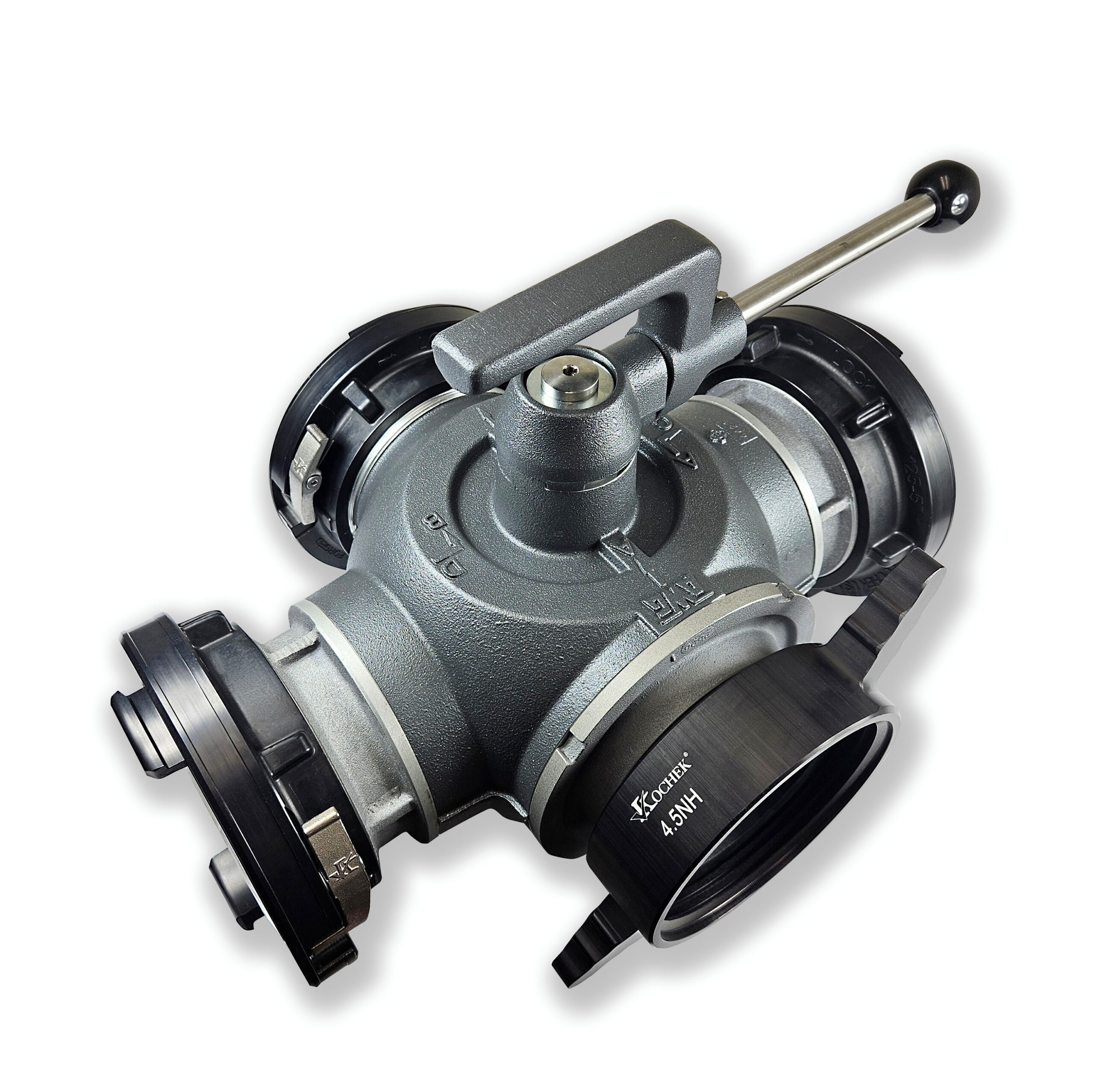
Hydrassist Valve, 4.5” NH Long Handle x 4" Storz
SKU#: BN039
Ships via Standard Ground
The Hydrassist Valve is an essential tool for efficient water flow management in firefighting and other high-demand applications. This valve is available in multiple configurations to meet various operational needs
Looking for a quote? Simply add your items to the cart and choose Request for Quote during checkout.
Enter a value between 1 and 100000000 in increments of 1.
Earn Darley Dollars with this purchase
Features
- Durability: Made from corrosion-resistant materials for long-lasting performance.
- Versatility: Multiple size and connection options to fit various systems.
- Efficiency: Designed for optimal water flow control and minimal maintenance.
- Ease of Use: Long handle for easy operation, even with gloves on.
- Safety: Reliable operation under high-pressure conditions, ensuring safety in critical applications.
Usage and Applications
The Hydrassist Valve is primarily used in firefighting operations to control and manage water flow from hydrants to hoses. It allows firefighters to quickly and efficiently connect hoses to hydrants, ensuring a steady and reliable water supply during emergencies. This valve is also used in municipal water systems and industrial applications where precise water flow control is critical.
Who Uses It
- Fire Departments: For connecting hoses to hydrants and controlling water flow during firefighting operations.
- Municipal Water Authorities: To manage water distribution in public water systems.
- Industrial Facilities: For regulating water flow in manufacturing and processing plants.
How It Works
The Hydrassist Valve operates by allowing firefighters or operators to connect hoses to hydrants quickly and efficiently. The long handle provides leverage for easy opening and closing of the valve, ensuring precise control over water flow. This mechanism is crucial for maintaining a steady and reliable water supply during firefighting operations or other high-demand applications.
Installation Process
- Preparation
- Safety First: Wear appropriate safety gear, including gloves and goggles.
- Inspect the Valve: Check the valve for any visible damage or defects.
- Clean the Connections: Ensure the hydrant and hose connections are clean and free of debris.
- Positioning the Valve
- Align the Valve: Position the valve on the hydrant, ensuring it aligns correctly with the hydrant outlet.
- Support the Valve: Use supports or brackets if necessary to hold the valve in place during installation.
- Connecting the Valve
- Apply Sealant: Apply pipe thread sealant or Teflon tape to the threads of the hydrant outlet.
- Attach the Valve: Connect the valve to the hydrant by threading the connections. Ensure the connections are tight and secure.
- Check Alignment: Verify that the valve is properly aligned with the hydrant to avoid any stress on the connections.
- Securing the Valve
- Tighten Connections: Use wrenches to tighten the connections securely. Avoid over-tightening, which can damage the threads.
- Lubricate (if needed): Apply lubricant to the moving parts of the valve if specified by the manufacturer.
- Testing the Installation
- Open and Close the Valve: Operate the valve to ensure it moves smoothly and correctly.
- Check for Leaks: Inspect the connections for any signs of leakage. Tighten connections if necessary.
- Pressure Test: Conduct a pressure test to ensure the valve can handle the system’s operating pressure without issues.
- Final Adjustments
- Verify Operation: Confirm that the valve operates as expected under normal conditions.
- Secure Supports: Ensure any supports or brackets used are securely fastened.
The Hydrassist Valve is a versatile and reliable choice for anyone needing efficient water flow control. Its durable construction, multiple size options, and easy operation make it a valuable asset in firefighting, municipal, and industrial applications. Choose the Hydrassist Valve for dependable performance and peace of mind in your water management systems.
- Connection Types: NH and Storz connections for versatile compatibility.
- Handle: Long handle design for easy operation and control.
- Height: 13″
- Width: 17″
- Weight: 36 lbs.
- Material: Aluminum Body - Stainless Steel Ball
- Operating Pressure: No more than 250 PSI
- Color: Silver/Black
- Warranty: 5 Years
- Size Options:
- BN039: Hydrassist Valve, 4.5” NH Long Handle x 4" Storz
- Model: 80K04451
- BN039: Hydrassist Valve, 4.5” NH Long Handle x 4" Storz