
Wehr Engineering
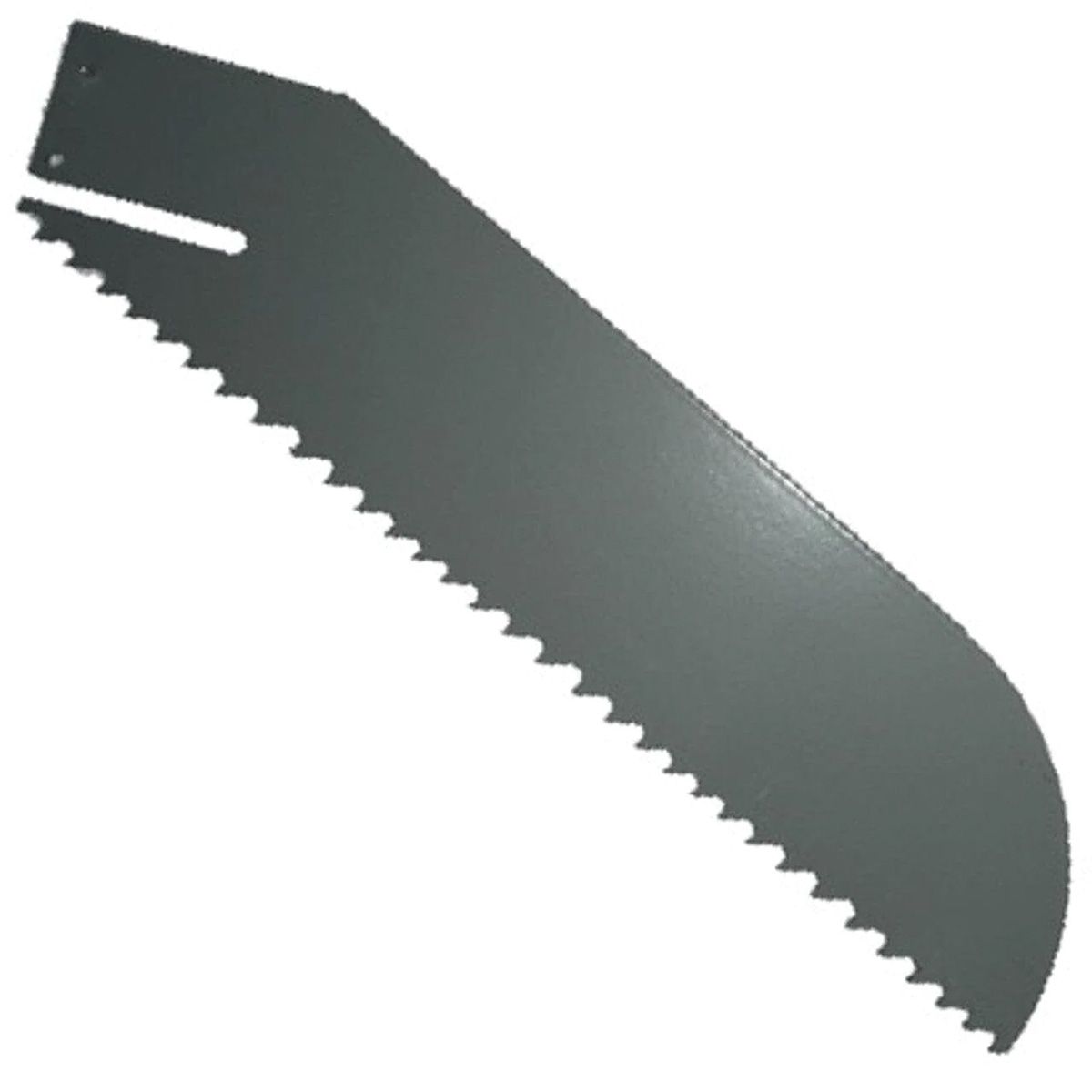
Glas-Master - Replacement Blade
SKU#: AB885A
Ships via Standard Ground
Typically ships in 3-5 days
The Glas-Master Replacement Blade is designed to enhance the performance of the Glas-Master Glass Removal Tool. This blade features a new design that significantly reduces windshield glass fragmentation, making it an essential component for efficient and safe glass removal in emergency situations.
Price:$35.95
Looking for a quote? Simply add your items to the cart and choose Request for Quote during checkout.
Enter a value between 1 and 100000000 in increments of 1.
Earn Darley Dollars with this purchase
Features
New Blade Design
- Reduced Fragmentation: The new blade design reduces windshield glass fragmentation by 33% compared to conventional blades.
- Smooth Cutting: Cuts smoother and with less effort, ensuring a more efficient operation.
High-Quality Materials
- Durable Construction: Made from high-quality materials to ensure longevity and reliable performance.
- Serrated Edge: The blade features a serrated edge for effective cutting through glass.
Compatibility
- Fits Glas-Master Tool: Specifically designed to fit the Glas-Master Glass Removal Tool, ensuring seamless integration and optimal performance - See Related Products
Maintenance
- Periodic Checks: Blades should be checked periodically for sharpness. Performance will be reduced when using a dull blade.
- Replacement Availability: It's always best to keep a spare new blade in stock to ensure the tool remains effective.
What is it?
The Glas-Master Replacement Blade is a high-performance blade designed to replace the existing blade on the Glas-Master Glass Removal Tool. It is engineered to provide smoother cuts and reduce glass fragmentation, enhancing the safety and efficiency of rescue operations.
How is it used?
This replacement blade is used in:
- Vehicle Extrication: Helps rescuers cut through vehicle glass quickly and safely, providing access to trapped victims.
- General Rescue Operations: Suitable for cutting various types of glass in emergency situations.
Who uses it?
The Glas-Master Replacement Blade is trusted by:
- Firefighters
- Rescue teams
- Emergency medical services
- Industrial safety professionals
How to Change the Blade on the Glas-Master Glass Removal Tool
Changing the blade on the Glas-Master Glass Removal Tool is a straightforward process. Follow these step-by-step instructions to ensure a safe and efficient blade replacement:
Step-by-Step Instructions
- Gather Necessary Tools: Ensure you have the replacement blade (GMM-B46) and the Allen wrench that comes with the Glas-Master tool.
- Safety First: Wear protective gloves to avoid any accidental cuts or injuries during the blade replacement process.
- Remove the Old Blade: Locate the screws that secure the blade to the tool. These are typically found near the base of the blade.
- Use the Allen wrench to loosen and remove the screws. Keep the screws in a safe place as you will need them to attach the new blade.
- Carefully remove the old blade from the tool.
- Inspect the Tool: Before installing the new blade, inspect the tool for any signs of wear or damage. Ensure that the blade mounting area is clean and free of debris.
- Install the New Blade: Align the new blade (GMM-B46) with the mounting holes on the tool.
- Insert the screws through the blade and into the tool. Use the Allen wrench to tighten the screws securely. Ensure the blade is firmly attached and does not wobble.
- Check the Blade Alignment: Once the new blade is installed, check its alignment to ensure it is straight and properly positioned. This will help maintain the tool's cutting efficiency.
- Test the Tool: After replacing the blade, test the tool on a piece of scrap material to ensure it is cutting smoothly and efficiently.
- Store the Tool Safely: Once the blade replacement is complete, store the tool in its designated case or a safe place to prevent damage.
- Material: High-quality, durable construction
- Edge: Serrated for effective cutting
- Compatibility: Fits Glas-Master Glass Removal Tool
- Performance: Reduces windshield glass fragmentation by 33%, cuts smoother and with less effort
- UOM: 1 Blade Per Pack
- Model: GMM-B46
