FSI
FSI Pneumatic Shelter - 300 Square Feet - 28 M2
SKU#: AW052
Ships via Standard Ground
Price:$17,279.95
Looking for a quote? Simply add your items to the cart and choose Request for Quote during checkout.
Enter a value between 1 and 100000000 in increments of 1.
Earn Darley Dollars with this purchase
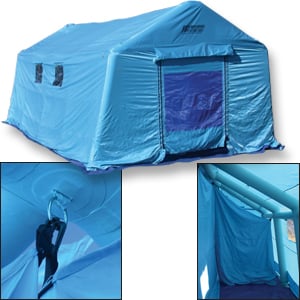
FSI® DAT® Series pneumatic shelters are inflatable, rapid-deployment shelters designed for emergency response operations such as incident command, medical surge capacity, field hospital use, temporary housing, portable morgue, isolation, crime scene privacy, and anteroom support.
Features
- Rapid Deployment: Pneumatic, air-supported design allows the shelter to be deployed and placed into service quickly.
- Air-Supported Structure: Inflatable framework provides stability without rigid metal poles.
- Multi‑Purpose Use: Suitable for command operations, medical surge capacity, isolation areas, and privacy shelter applications.
- HVAC / Utility Ports: Integrated inlet/outlet ports allow routing of HVAC ducts or equipment as needed.
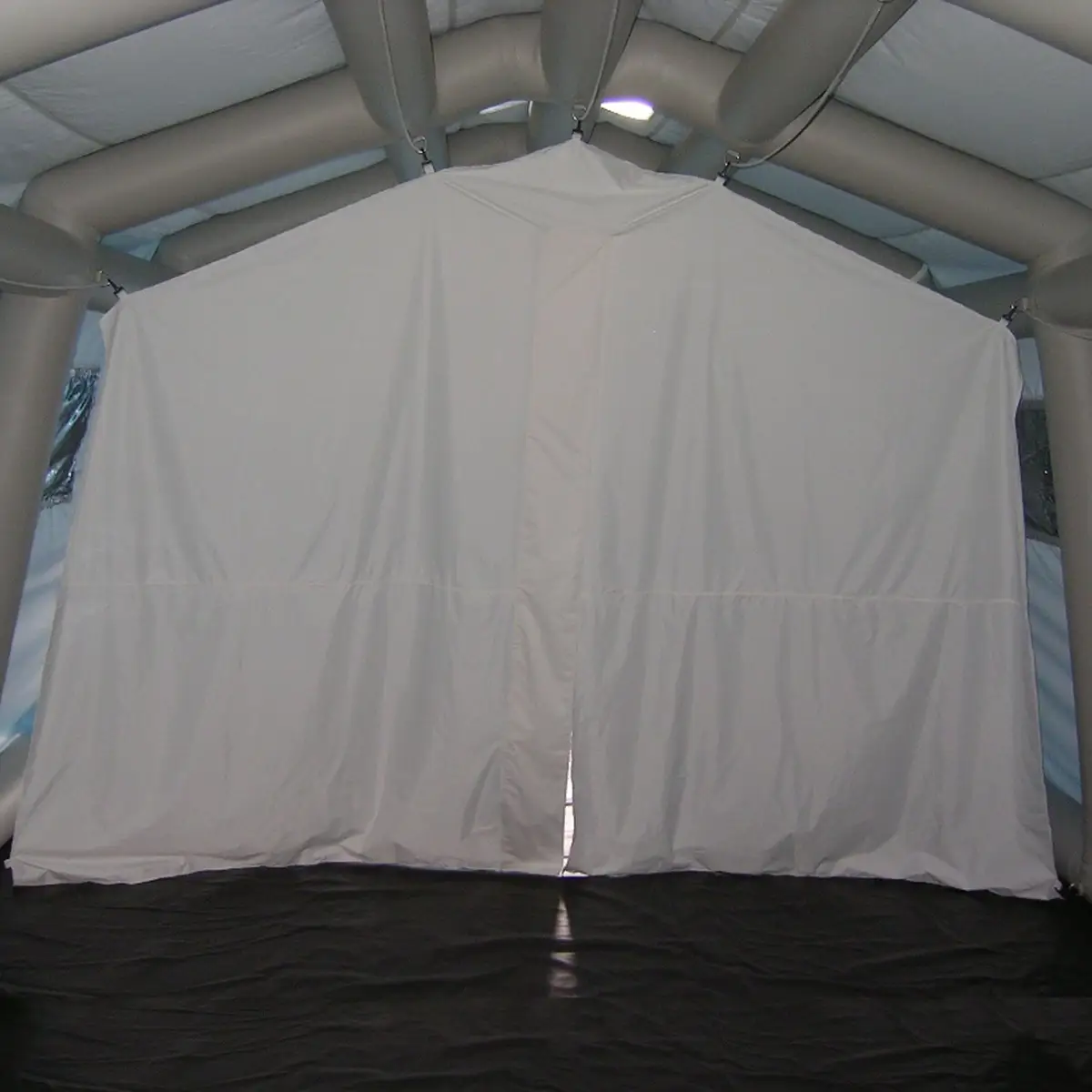
- Enclosed Privacy: Full enclosure with doors, windows, and skylights supports privacy and controlled access.
- Anchoring Capability: Designed to be secured using stakes and tie‑down points for stability.
- Expandable Configuration: Shelters can be configured to connect with additional compatible shelter units.
What is it?
The FSI® DAT® Series Pneumatic Shelter is an inflatable emergency shelter designed to provide temporary, enclosed space for emergency response and operational support. The shelter uses an air‑inflated structural system to create a stable, self‑supporting environment without the need for traditional framing.
How is it used?
The shelter is deployed by positioning it on the ground, inflating the structure, and securing it using the provided anchoring points. Once inflated and stabilized, the shelter is ready for operational use. It can support activities such as command coordination, medical operations, personnel support, or controlled‑access functions during emergency incidents.
Who uses it?
This shelter is intended for First Responders, including:
- Fire and rescue agencies
- Emergency medical services
- Emergency management teams
- Law enforcement agencies
- Disaster response and recovery teams
Maintenance Information
- After use, the shelter should be cleaned and dried prior to storage to help prevent contamination or material degradation.
- If the shelter has been exposed to hazardous substances, thorough cleaning is recommended before reuse.
- Regular inspection of air valves, seams, and anchoring points is recommended to identify wear or air leaks.
- Major repairs should be performed by qualified service personnel according to manufacturer guidance.
What is it used with?
FSI® pneumatic shelters are commonly used with:
- Inflator/deflator equipment
- HVAC or climate control systems routed through inlet/outlet ports
- Stakes and tie‑down systems for anchoring
- Carry bags or storage sleeves
- Repair kits and basic hand tools
What material is it made from?
The FSI® pneumatic shelters are constructed using durable, coated materials designed for emergency response environments.
- Frame: Heavy‑duty 1100 Dtex polyester coated with plastomer on both sides. The frame material is UV resistant and chemical resistant, supporting outdoor and emergency operations.
- Cover: Heavy‑duty 420 denier nylon (or polyester) coated with polyurethane (PVC) on both sides to provide durability and environmental resistance.
What tools are needed?
The FSI® pneumatic shelters are supplied with the standard tools and equipment required for deployment, setup, and basic maintenance. No specialized or proprietary tools are listed as required beyond what is included with the shelter.
Included tools and equipment:
- Hand pump
- Jack
- Pegs / rods for anchoring
- Hammer
- Repair kit
- Carry bag
- Manual
The shelter also includes integrated components such as an air inflation valve, pressure relief valve, integral ground floor, roll‑up windows (quantity varies by size), and full‑zip dirty entry / clean exit doors, which support setup and operation without additional tools.
Departments may choose to stage supplemental equipment (such as HVAC units or power sources) based on operational needs, but these are not required for basic shelter deployment.
Additional Information
When selecting a pneumatic shelter for emergency response operations, the following considerations may help with planning, deployment, and long‑term use:
Deployment & Staffing
These shelters are designed for field deployment by response personnel. Familiarity with setup procedures prior to operational use can help reduce deployment time during an active incident.
Inflation & Power Considerations
Pneumatic shelters use an air‑supported structure that is inflated during setup. Understanding available air sources and power options during deployment can help ensure readiness in different response environments.
Environmental Conditions
These shelters are intended for outdoor emergency operations. Proper anchoring and monitoring are important when operating in changing weather conditions such as wind, rain, heat, or cold.
Storage & Transport Planning
Departments often plan ahead for:
- Storage space when the shelter is not in use
- Transport on apparatus, trailers, or support vehicles
- Weight and handling considerations during deployment and pack‑down
Interior Space & Operational Workflow
The open interior layout allows responders to configure the space based on operational needs, such as command coordination, medical support, or personnel staging. Planning interior workflow in advance can improve efficiency during an incident.
Scene Control, Privacy & Visibility
Enclosed shelters help create a defined operational area, supporting privacy, scene control, and separation from public view. Windows and skylights can allow natural light while maintaining enclosure.
Training & Familiarization
While specialized certification may not be required, routine familiarization and periodic deployment drills can help ensure personnel are comfortable with setup, operation, and takedown procedures.
Inspection & Long‑Term Ownership
Routine inspection of valves, seams, and anchoring points is recommended. Departments often plan for long‑term ownership by considering maintenance practices and replacement components as part of their equipment lifecycle.
Model Selection Considerations
Smaller shelters are often chosen for focused operations or limited crews, while larger shelters may better support multi‑function use, higher occupancy, or extended response operations.
- Size: 300 Square Feet / 28 m²
- Approximate Size: 13 ft W × 23 ft L × 9 ft H (4 m × 7 m × 2.7 m)
- Usable Area: 300 sq. ft. (28 m²)
- Approximate Weight: 280 lb (127 kg)
- Windows: 4
- Skylights: 2
- HVAC / Utility Ports: 4
- Wind Resistance: Approximately 70 mph
- Approximate Roof Load Rating: 2,200 lb
- Model: DAT4070